
Affiliate Disclosure: This post may contain affiliate links. If you purchase through these links, I may earn a commission at no additional cost to you.
Introduction
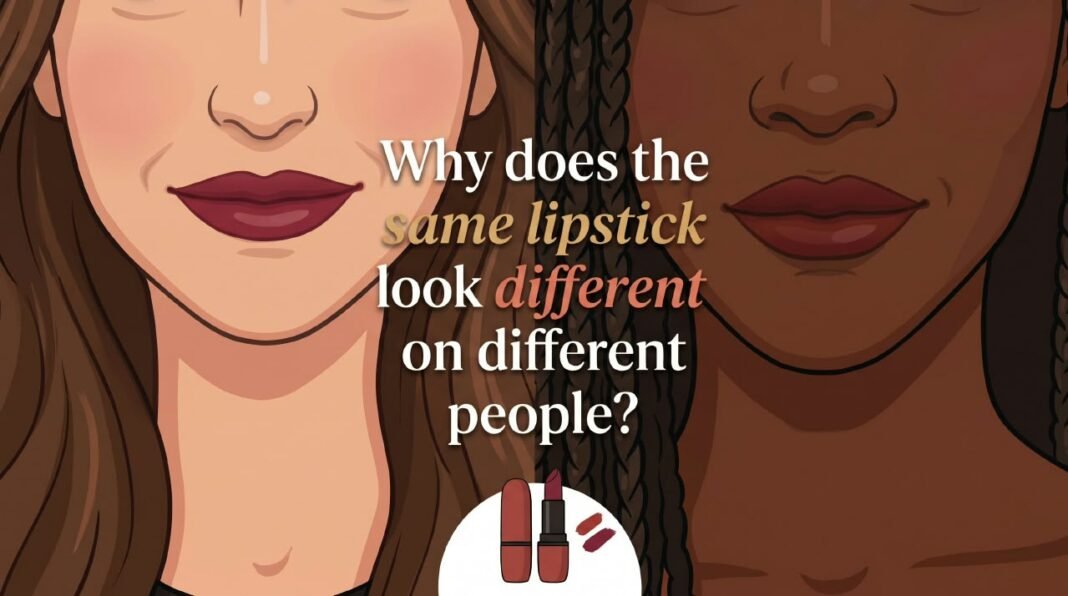
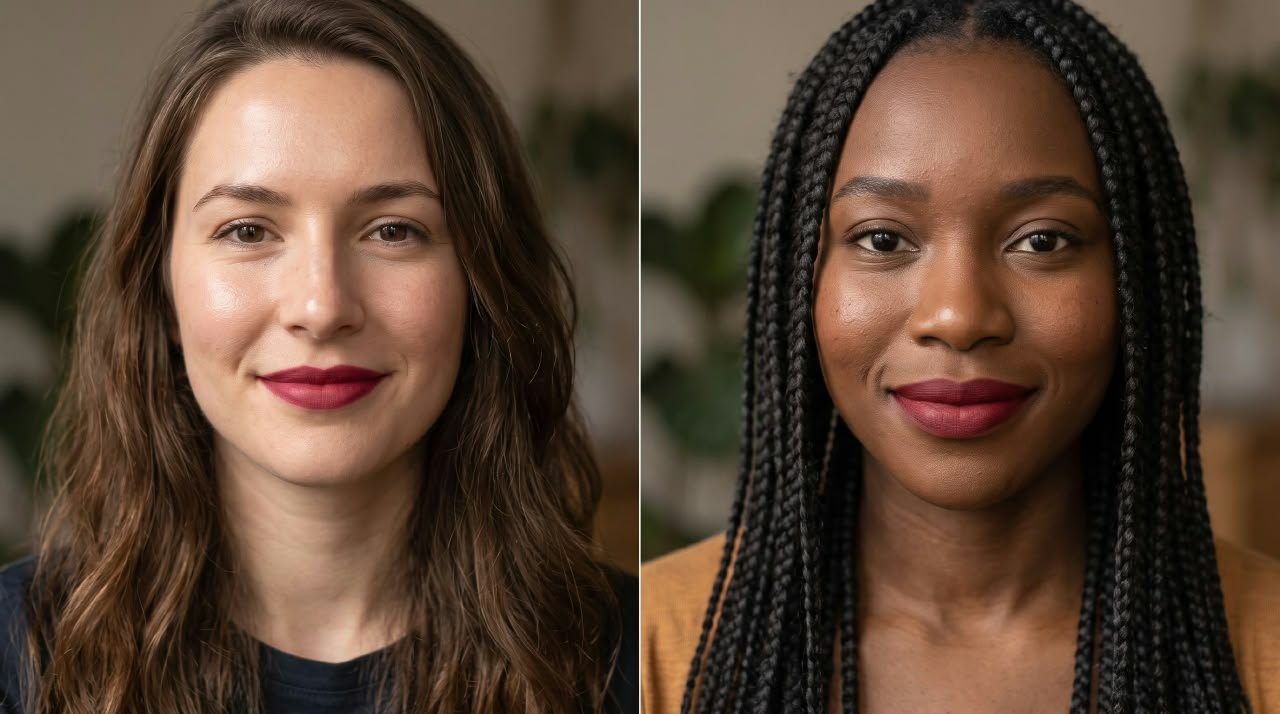
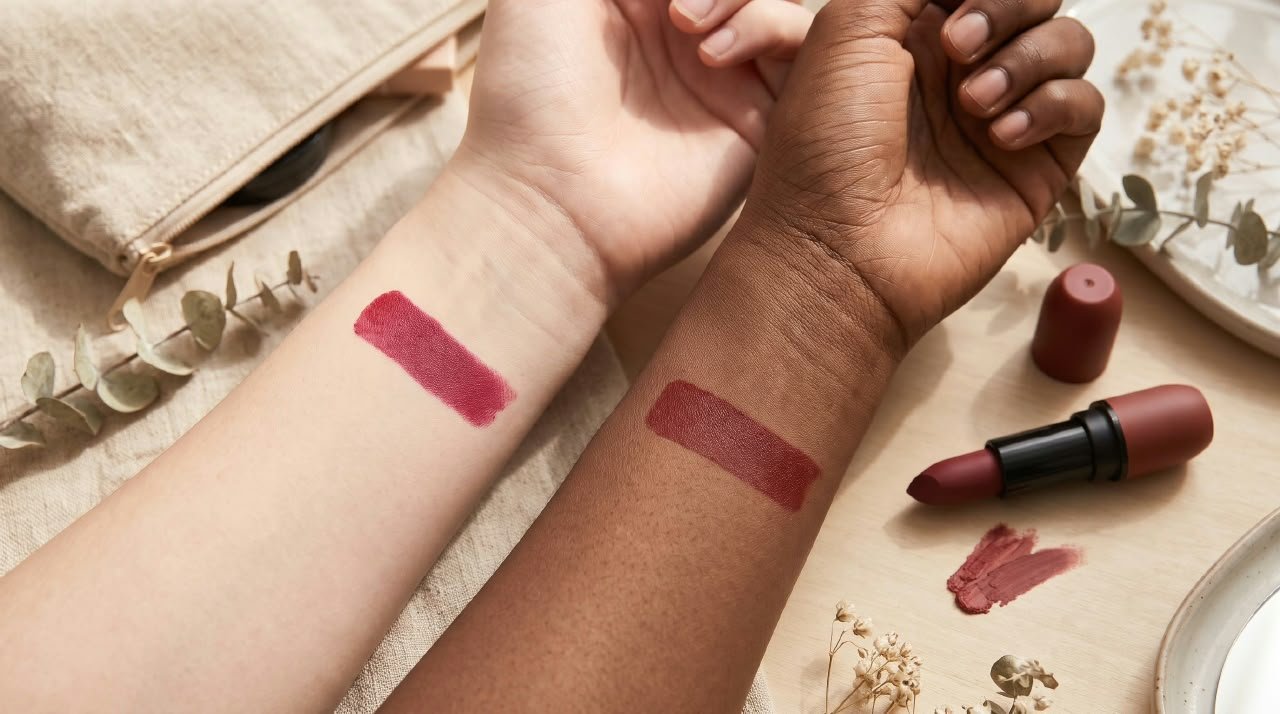
Why Does the Same Lipstick Look Different on Different People? This is a common question because the same lipstick shade can appear different depending on a person’s natural lip color, skin tone, undertones, and lighting. The lipstick coverage also affects how its shade appears on the lips. Consequently, a shade that appears as a soft pink on one person might look more brownish-mauve or vibrant on another.
This doesn’t mean that a particular lipstick shade looks good on one person but not on someone else. In reality, the final color of a lipstick emerges from the interaction between its base composition and its specific formula. In this article, we will explore why these differences occur and how you can choose the right lipstick shade for yourself.
How Natural Lip Color Changes Lipstick Appearance
The natural color of one’s lips varies from person to person; some people have naturally light pink lips, while others may have lips with brown, mauve, or deeper pink tones. When lipstick is applied, its final appearance can be influenced by the natural color of the lips. This is particularly noticeable with sheer or less pigmented lipsticks, as these formulas allow the natural lip color to remain visible to some extent.
For example, a lipstick might look soft and fresh on light-pink lips, but on naturally brown lips, the result could appear more muted or warm. Therefore, one should not assume based solely on the color of the lipstick in the tube that it will look the same on everyone’s lips.
Does Skin Undertone Affect Lipstick Color?
Your skin tone and undertone can significantly influence the overall appearance of a lipstick. An “undertone” refers to the subtle warm, cool, or neutral hue that lies beneath the surface of your skin.
If you have warm undertones, you might prefer shades like:
- peaches, coral, or warm brown.
Those with cool undertones can try:
- Berry, rosy, pink, or blue-based red shades.
If you have neutral undertones,
- You can experiment with various shades from both warm and cool color families.
These are merely general guidelines, not strict rules. Someone with a warm undertone may prefer a cool-toned pink lipstick, while a warm-toned shade might look equally flattering on someone with a cool undertone.
Therefore, when choosing a lipstick, do not rely solely on your undertone; also consider your natural lip color, the look you wish to achieve, and your personal preferences.
Why Lipstick Looks Different on Two-Toned Lips
“Two-toned lips” means that the upper and lower lips or different areas of the lips do not have the same natural color. This can be due to natural pigmentation and may be observed across various skin tones and complexions; it does not necessarily imply that there is an underlying problem with the lips.
If certain areas of your lips are dry, the lipstick shade may appear different on those spots. Highly pigmented lipsticks can provide better coverage, though the final result ultimately depends on the formula and the application technique. If you desire a more even color, try applying the lipstick in thin layers to see how much coverage you achieve. If necessary, you can use a suitable lip liner as a base.
You don’t always need to cover your natural lip color completely to enjoy wearing lipstick. Choosing a sheer or lightly pigmented formula allows your natural lip color to show through while adding a subtle touch of color.
If you are looking for products specifically for naturally darker lips, you can check out our article, “Best Lip Products for Dry and Dark Lips.”
Can a White Person Have Two-Toned Lips?
Yes, individuals with white skin can also have two-toned lips. Uneven natural lip coloration is not limited to any specific skin tone or ethnicity; natural lip pigmentation varies from person to person. For some, the upper lip may differ in color from the lower lip, while others may have variations in the corners or other specific areas of the lips.
Therefore, you cannot determine whether someone’s lips will be evenly colored based solely on their skin tone. If lip color changes suddenly, or if it is accompanied by pain, sores, or other symptoms, seek guidance from a healthcare professional.
Does Lipstick Formula Change the Final Color?
Yes, the formula of a lipstick plays an important role; not all lipsticks offer the same level of pigmentation and coverage.
- With sheer lipsticks, your natural lip color remains partially visible, which is why the final appearance can vary significantly from person to person.
- Highly pigmented lipsticks provide more color and tend to mask your natural lip color more effectively.
- Glossy lipsticks and lip glosses, due to their shine and light-reflecting properties, can also alter the perception of the color.
- Matte lipsticks, on the other hand, minimize shine, yet the final look can still be influenced by your natural lip color and the specific formula.
Therefore, if you like a particular lipstick, don’t just look at the shade’s name; consider its finish and pigmentation as well.
Do Makeup Artists Use the Same Lipstick on Everyone?
Makeup artists do not necessarily use the same lipstick on every client; they select or combine products based on the client’s desired look, outfit, makeup style, and the available shades.
Makeup artists often use the same lipstick with different lip liners, which can create subtle variations in the final look; sometimes, two lipsticks are even mixed to achieve a desired color.
For instance, if a lipstick appears too bright, a makeup artist can layer it with a softer shade. If a more defined lip look is desired, a matching or slightly darker lip liner can be used. However, multiple products are not strictly necessary for every look; a single, suitable lipstick can also yield a simple and beautiful result.
Which Lipstick Color Suits Everyone?
No single lipstick shade looks the same on everyone. Colors like red, rose, pink, and brown can complement different people, but how each shade appears depends on factors such as natural lip color and skin undertone, as well as personal preference.
If you are looking for a versatile shade, you could try a muted rose, a balanced pinkish-brown, or a red tone that makes you feel comfortable. Rather than viewing these as universal winners, consider them as starting points.
When choosing a lipstick shade, it’s useful to consider whether you want a natural everyday look, a bold color, or a glossy finish. Your preferred lipstick finish is just as important as color theory when choosing a shade that suits your style.
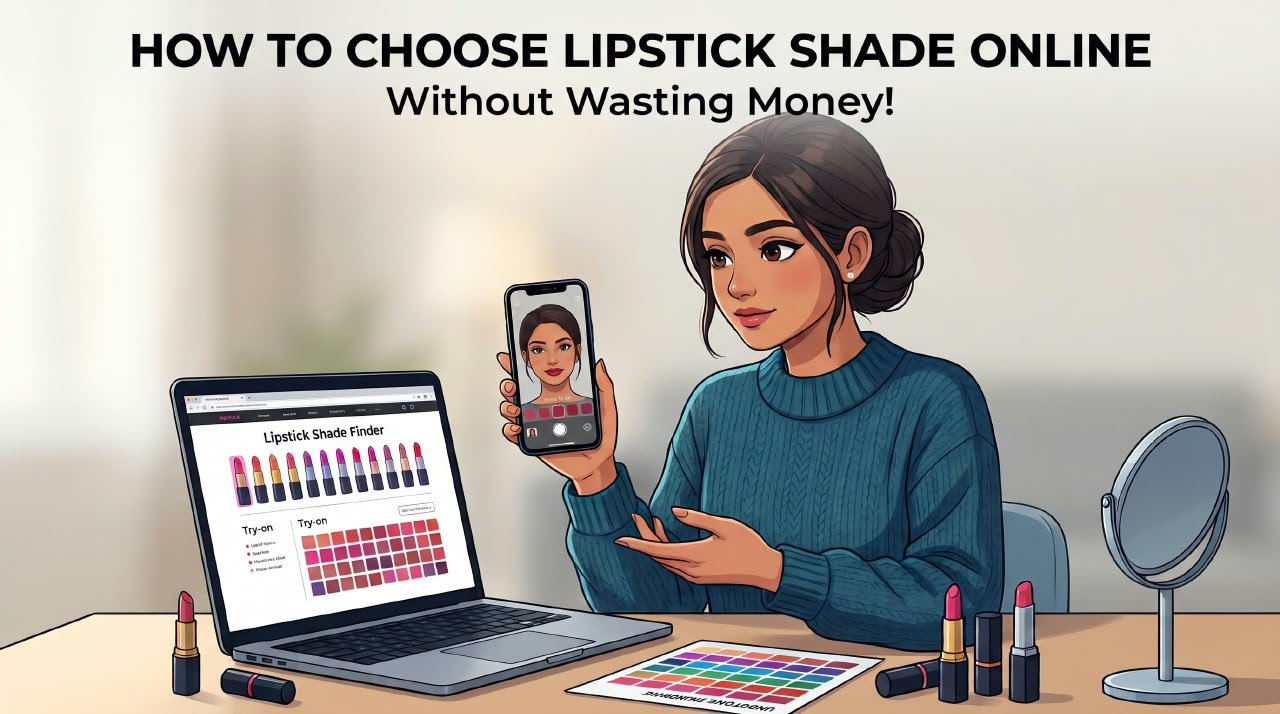
If you are selecting a lipstick online, compare swatches of the shade on different people. Our article, “How to Choose a Lipstick Shade Online Without Wasting Money,” can help you with this process.
How to Find a Lipstick Shade That Works for You
Instead of getting confused by seeing the same lipstick on different people, focus on understanding your own preferences.
First, decide whether you prefer light, medium, or bold colors; then, check the lipstick finish and pigmentation. If possible, look at swatches on actual lips and evaluate the shade under different lighting conditions.
If a lipstick color turns out differently than you expected, you can try using a reliable lip liner to adjust it. However, you don’t need to buy extra products for every lipstick shade; comparing the shades you already own and enjoy wearing can also help you find similar colors that suit you. This will help you understand which types of shades you personally prefer.
Conclusion
The same lipstick can look different on different people because factors like natural lip color, skin undertone, formula pigmentation, and the finish all influence the final appearance. Lighting and the rest of your makeup can also affect how the color is perceived.
You don’t have to limit yourself to one shade of family. Feel free to experiment with different colors and choose shades that match your personal preferences and the look you want to create. Lipstick isn’t about following strict rules; it’s about finding colors that make you feel confident and comfortable.
