
Introduction
Lip makeup may appear simple, but the final result does not depend solely on the shade. The condition of the lips, the texture of the product, the use of a lip liner, and the application technique all influence the overall look. Sometimes, even after choosing a great color, the lipstick may end up looking uneven, bleeding beyond the lip line, or becoming patchy after a while.
Understanding what causes these issues can help beginners avoid common lip makeup mistakes, so that instead of buying a new product every time, they can improve their application technique.
In this guide, we will discuss five common lip makeup mistakes beginners should avoid, and a simple three-step routine that can help your daily makeup look neater and more polished.
1. Applying Lipstick Without Preparing Your Lips
One common lip makeup mistake beginners make is applying lipstick without considering the condition of their lips. When lips are dry or peeling, the product may cling to flaky areas, resulting in uneven color and a patchy finish.
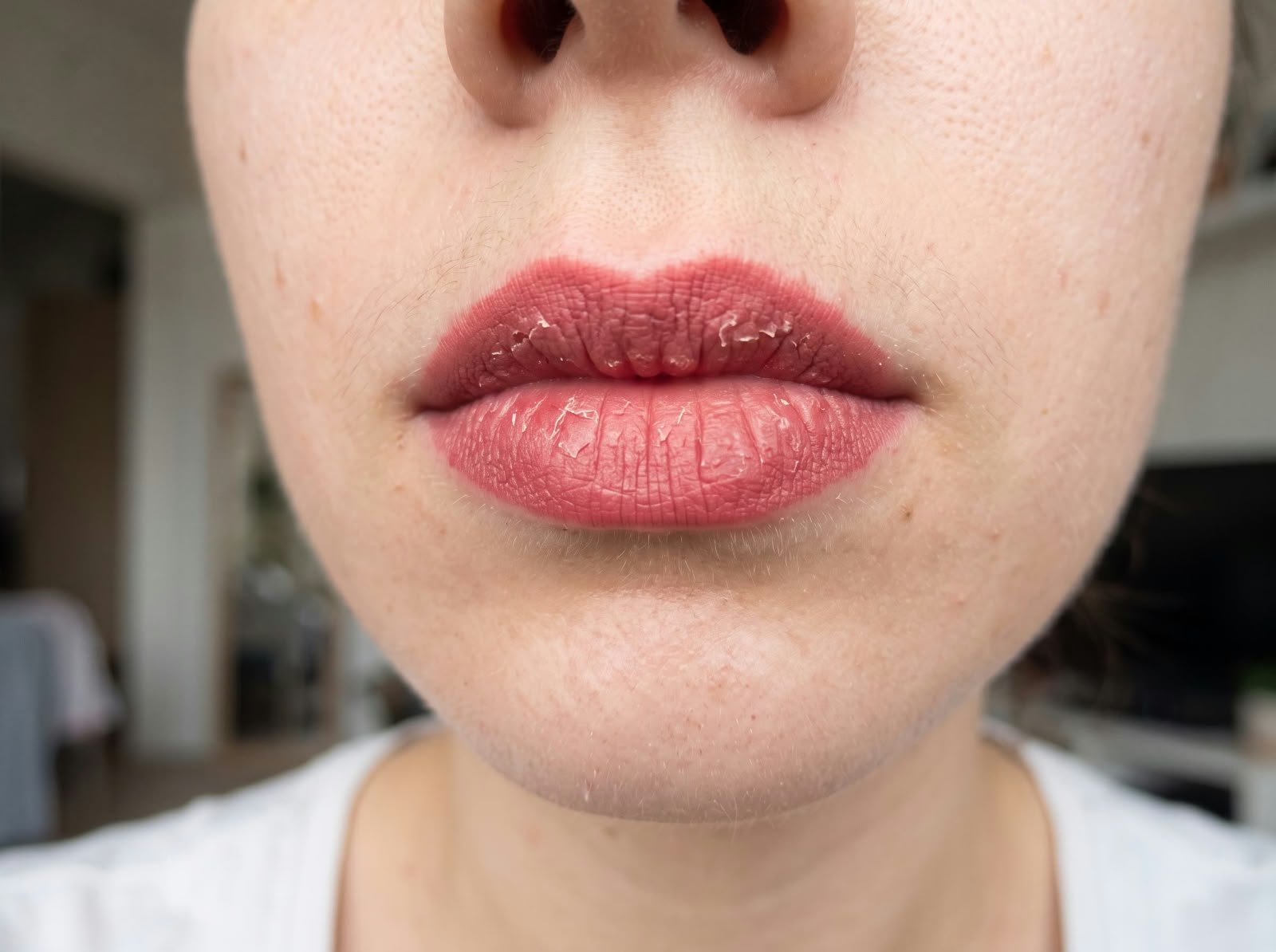
Before applying lip makeup, assess your lips’ condition to help achieve a smoother, even finish. If your lips feel dry, apply a thin layer of moisturizing lip balm and allow it to absorb. If there is any extra balm left, gently blot it away with a tissue before applying lipstick.
It is not always necessary to use a lip scrub; if your lips are smooth and comfortable, gentle cleansing and moisturizing may be sufficient. Avoid scrubbing chapped, sore, or irritated lips, as this can worsen the irritation.
2. Choosing a Lipstick Formula That Does Not Suit Your Lips
Not every lipstick formula is suitable for everyone. Some matte lipsticks can leave your lips feeling dry, while some creamy formulas feel more comfortable. Similarly, some people may find the texture of certain glossy lip products uncomfortable or unsuitable for their preferences.
If your lips tend to dry out quickly, a very drying matte formula might not provide the finish you’re looking for. This does not, however, imply that you should always stay away from matte lipsticks; rather, you should make your decision based on your application style and the state of your lips.
If you like a matte look, start with a matte lipstick and see how it feels on your lips. If you prefer a comfortable, soft-looking finish, you could also try a cream lipstick or a formula with a subtle sheen.
3. Using Lip Liner That Is Too Dark or Applying It Too Harshly
A lip liner helps define the outline of the lips and gives lipstick a neat appearance; however, if the liner is much darker than the lipstick, or if the line is too harsh, the lip makeup can end up looking unnatural.
For a natural-looking result, choose a lip liner that is close to the shade of your lipstick. Apply it lightly along the natural outline of your lips, and if necessary, softly blend it inwards.
If you want your lips to appear fuller, you can slightly extend the lip line beyond its natural shape. However, avoid overlining too much, as this can make your lips look unnatural. Following your natural lip shape will help create a more balanced, flattering finish.
The purpose of a lip liner is not to create a distinct, prominent outline around the lips, but rather to establish a smooth transition between the lipstick color and the lips themselves.
4. Applying Too Much Lipstick at Once
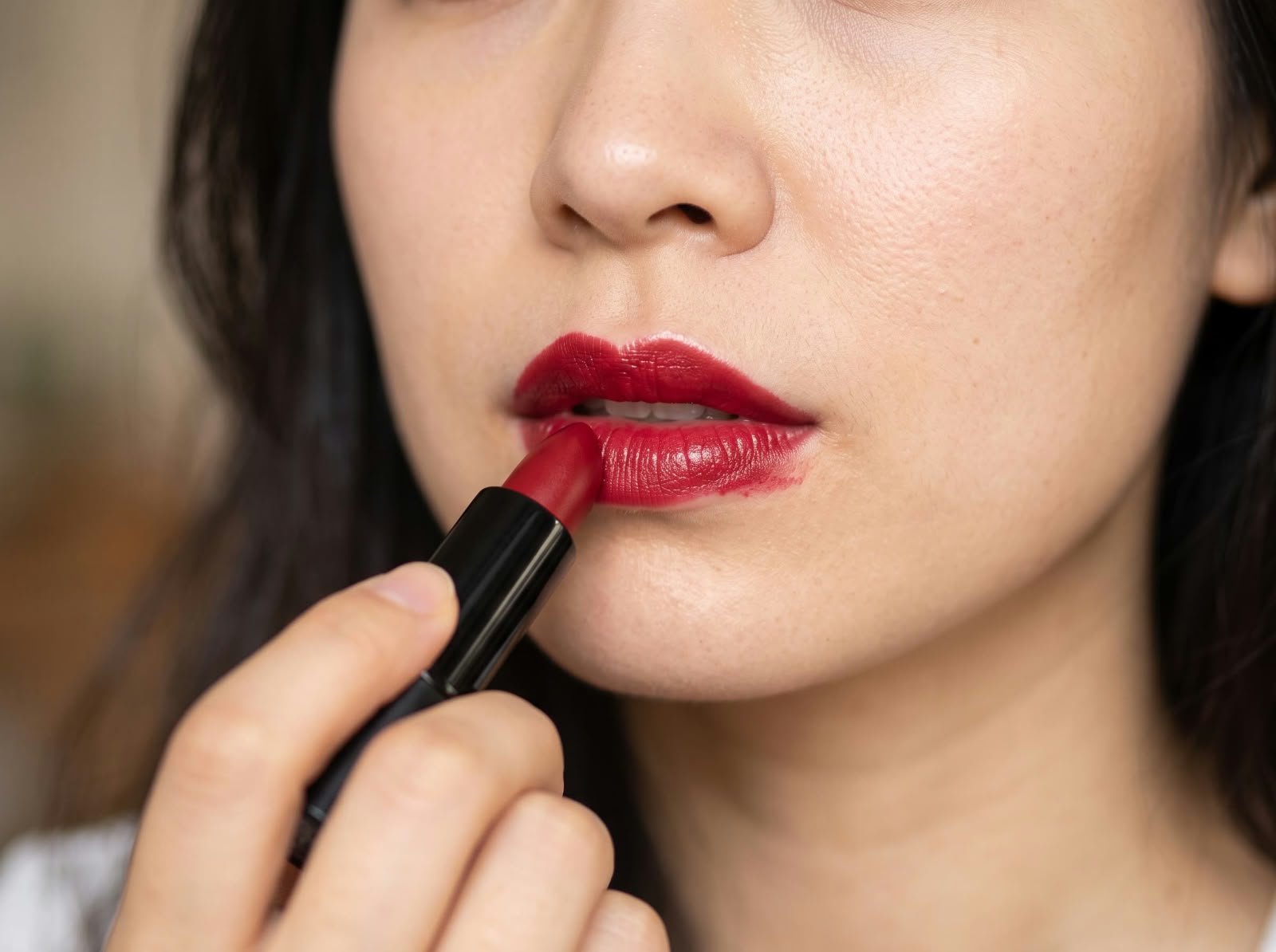
Applying a very thick layer of lipstick all at once is also a common mistake; the excess product can settle into the natural lines of the lips, spread beyond the edges, or result in an uneven finish.
When using liquid lipstick, gently wipe the excess product from the applicator against the tube’s inner edge to avoid applying too much at once. Then spread the product evenly over the lips and let it set according to the brand’s instructions.
After applying lipstick, check the corners and edges of your lips. If there is any extra product, carefully wipe it off with a clean lip brush or tissue.
Keep in mind that application methods vary for each formula; some lipsticks provide good coverage in a single layer, while others are easier to build up.
5. Forgetting to Check and Refresh Your Lip Makeup
The appearance of lipstick can change over time, especially after eating, drinking, or using a tissue. If the color wears off from the center of the lips while remaining along the edges, the lipstick can end up looking uneven.
Before touching up your lip makeup, check your lips in a mirror. If the color has faded in only a few areas, apply a small amount of product to those spots. However, if the lipstick has become noticeably uneven, remove it gently and start fresh rather than layering more product over the worn-off color.
If you find it difficult to touch up your lipstick throughout the day, choose a practical formula for your routine and keep the product with you in case you need it; being “long-wearing” does not mean that the lipstick will never fade under any circumstances.
When touching up your lip makeup, apply only a small amount of product to prevent buildup and maintain an even finish; a minor correction is often sufficient.
What Are the Common Defects of Lipstick?
Certain problems can occur after applying lipstick. Understanding their causes can help you adjust your application technique and achieve a smoother, even more finish.
Patchy Color
Sometimes, the color appears more intense in certain areas of the lips and less so in others; this can be due to uneven application, dry patches, or the texture of the formula.
Feathering or bleeding
Lipstick can sometimes feather or bleed beyond the natural lip line. Using a suitable lip liner and applying your lipstick carefully can help keep the color within the lip’s natural outline.
Settling into lip lines
The product settles into fine lines. Applying too much product, or the specific texture of a particular formula can make this even more noticeable.
Uneven fading
The lipstick wears off in some areas while remaining on the rest of the lips, causing the color to look uneven.
Dry or uncomfortable finish
Some formulas can leave your lips feeling tight or dry, especially if they are already dry.
Beginner’s 3-Step Lip Makeup Routine
A simple routine is more practical for beginners; you don’t need a lot of products for every look. You can start with these three basic steps.
STEP 1
Prepare Your Lips
If your lips feel dry, apply a light moisturizing balm and let it absorb. Gently blot away any excess product with a tissue so that the surface doesn’t become too slippery when applying lipstick. If your lips already feel comfortable, this extra step might not be necessary.
STEP 2
Define and Apply Your Lip Color
Choose a lip liner close to the shade of your lipstick. Softly define the natural outline of your lips and then apply the lipstick evenly. Build the color gradually so you can control its intensity and coverage.
STEP 3
Check the Finish and Make Small Corrections
Check the edges, corners, and overall color of your lipstick in the mirror. If the lipstick is uneven, gently correct it. If you like a glossy finish, you can apply a light layer of compatible gloss over your lipstick. Touch up as needed throughout the day.
Conclusion
You don’t always need new products to improve your lip makeup.
- Prepare your lips,
- Choose the right formula.
- Applying the product gently.
- Controlling the amount of lipstick used.
- Performing touch-ups, when necessary, can all help achieve a polished, neat result.
If you are a beginner, start with a simple routine.
- Practice understanding different finishes.
- Embrace your natural lip shape and texture
- Choose a technique that makes you feel comfortable and confident.
FAQS
Q1. Should a beginner use a lip liner?
Lip liner can be useful for beginners, especially when they want the outline of their lips to appear more defined. However, a liner isn’t necessary with every lipstick; if you prefer a natural look, applying your lipstick carefully might be enough.
Q2. How can I stop lipstick from smudging?
Apply lipstick carefully; avoid using too much product and allow it to set according to its specific formula. A lip liner can help define the outline of your lips, but no single technique can make every lipstick completely smudge-proof in every situation.
